
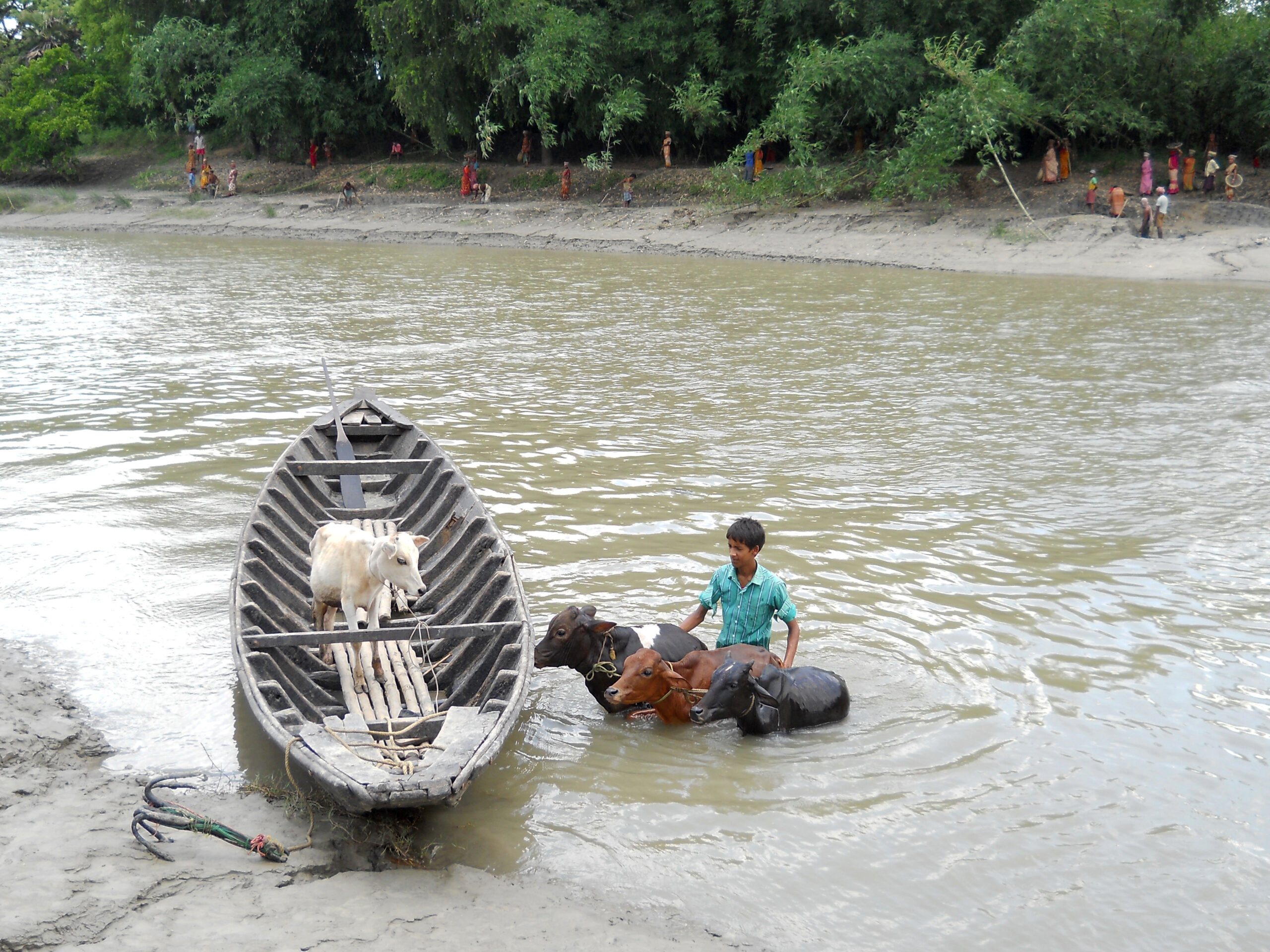
Photo credit: Saikhom Kennedy
A strong El Niño 2026 is expected to increase the likelihood of droughts, floods, heatwaves, or storms across different regions, into early 2027. Many of the countries likely to be affected are already experiencing weather-related shocks, conflict and displacement, in addition to economic shocks from other global events, with an estimated 9 million people expected to become even more vulnerable (FAO & WFP).
This is expected to have a significant impact on pasture and water resources for livestock and to disrupt crop planting and harvesting. Early and timely response, supported by participatory planning and action, will be a vital contributor to effective livelihoods-based interventions in this crisis.
The Livestock Emergency Guidelines and Standards (LEGS) and the Standards for Supporting Crop-related Livelihoods in Emergencies (SEADS) standards* were created to support well-designed, high-impact emergency agriculture responses with communities, contributing to saving lives and livelihoods affected by crisis.
Some key resources from LEGS and SEADS that enable effective planning and responses to the impacts of El Niño :
Resources
- LEGS Principle 4: Supporting preparedness and early action (see also Standard 1 in each technical chapter).
- The LEGS Drought Tool and related Drought e-module
- LEGS Briefing Papers:
- The LEGS-SEADS Joint Assessment Tool facilitates initial assessment among smallholder farming communities to ensure that emergency responses are appropriate, timely and feasible.
- The SEADS case studies page and the LEGS case studies pages provide examples and learning from real-life interventions
- For overall guidance on livestock-based emergency response consult the LEGS Handbook
- For overall guidance on crop-based emergency response consult the SEADS Handbook
Training
If you’re an organisation interested in running a LEGS and/or SEADS Core Training Course to increase capacity and preparedness to support small-scale farmers or pastoralists affected by drought and other crises, you can find a local LEGS Trainer on our website or contact LEGS for details of SEADS Trainers.
*LEGS and SEADS Standards
The Livestock Emergency Guidelines and Standards (LEGS) international standards and guidelines were developed in 2006, bringing together evidence-based good practice guidance for emergency response. LEGS guidance equips those responding to emergencies with technical information and planning tools to ensure that interventions are appropriate, timely, technically sound and of good quality.
The Standards for Supporting Crop-related Livelihoods in Emergencies (SEADS) are a set of international principles and minimum standards that support people responding to a humanitarian crisis to design, implement, and evaluate crop-related crisis responses, developed in 2022 along similar lines as LEGS.
The LEGS and SEADS standards are hosted by the LEGS organisation, a non-profit registered in the UK.
