
Find Out More About LEGS
The LEGS Story
This short video provides contextual understanding of livestock emergencies and the risks brought on by inadequate and untimely responses.
10 Things You Should Know About LEGS
Key resources
The LEGS Handbook
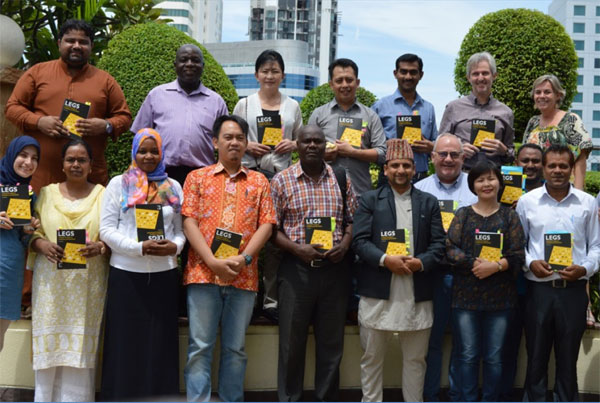
The LEGS Handbook is available as an interactive, digital resource, a downloadable PDF or to purchase in hard copy. The handbook is translated into Arabic, English, French and Spanish.
The LEGS Training Programme
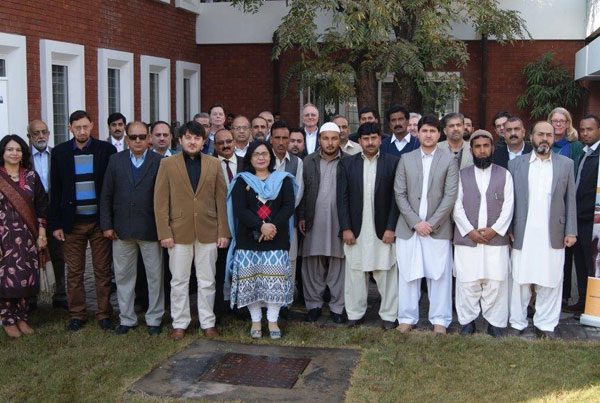
The LEGS Training Programme focuses on the roll-out of the LEGS Core Training in person across Africa, Asia and Latin America as well as online.
The LEGS
Strategic Plan
The LEGS Strategic Plan provides an overview of how we will achieve our vision and mission.
The LEGS Resources Centre
The LEGS Resources Centre contains LEGS publications, webinars, and videos, along with general resources.
LEGS is a member of the
Humanitarian Standards Partnership
alongside Sphere and other humanitarian standards.
The Latest LEGS News
In a major step forward for LEGS institutionalisation, the Kenya National Drought Management Authority (NDMA) has been officially approved by its Board as the country’s institutional focal point for LEGS.…
In March 2025, Concern Worldwide held consecutive LEGS & SEADS Core Training in Nairobi, Kenya, strengthening capacity for emergency livestock and crop response across the region. Funded by Irish Aid,…
Strengthening emergency livestock response in Honduras: LEGS training expands knowledge and capacity
In a significant step towards enhancing disaster response in the livestock sector, LEGS Core Training was successfully conducted in three key locations across Honduras – Catacamas, Danlí and Trojes –…
LEGS Training of Trainers Courses

”The LEGS handbook provides a common language and framework for livestock practitioners, enabling joint planning and clear mapping of needs and gaps. The new edition will be instrumental to enable teams to undertake pre-emptive actions to reduce the loss of livestock assets and production with its key feature on preparedness and early action. Furthermore, the inclusion of additional details on cash and voucher assistance will strengthen cash plus livestock interventions. The guidelines have been, and will continue to be, instrumental in quality responses through continuous learning and exchange amongst partners, including policy makers.
Rein PaulsenDirector of Emergencies and Resilience Office, Food and Agriculture Organization of the United Nations
The LEGS Handbook
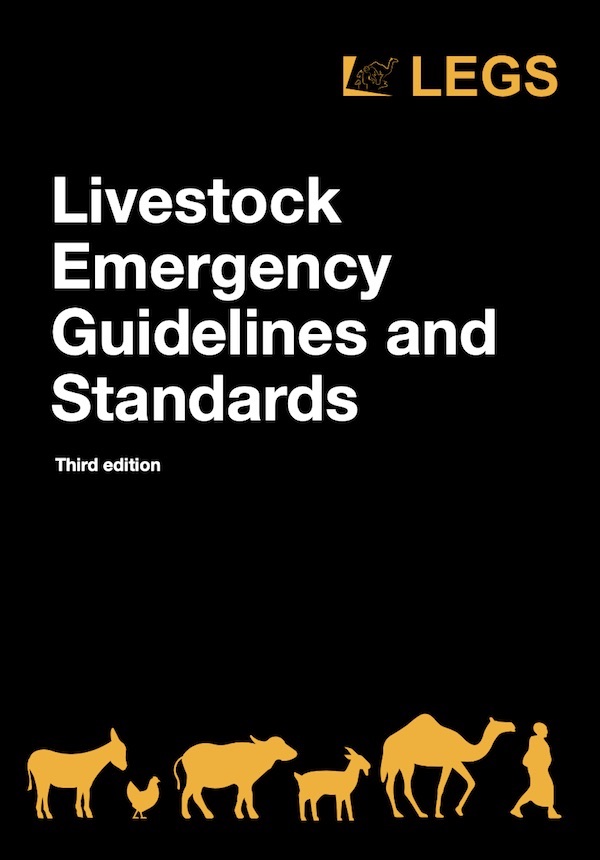
The LEGS Handbook provides minimum standards and guidelines for use in responding to humanitarian emergencies, in support of the livelihoods of livestock-owning communities in lower- and middle-income countries. The 3rd edition was launched 27th June 2023.
Get the Handbook
* Website banner photo © David Haddrill
